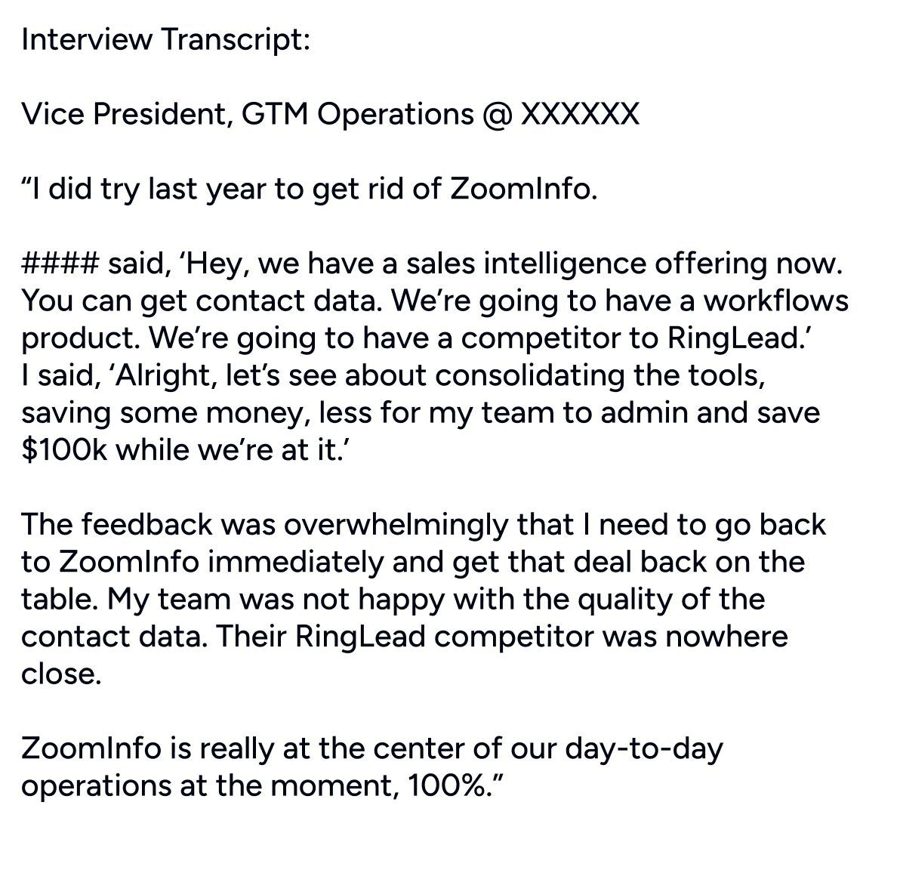
In 2009, we were building ZoomInfo out of a strip mall in Washington. I felt like such a LOSER next to Silicon Valley companies and remember thinking:
“Why doesn’t our business look like that??”
“Why isn’t Sequoia invested in us?”
“Why aren’t we growing as fast as they are?”
They had so much hype and great VCs. Box and Dropbox were raising round after round and getting all the press.
Meanwhile we were working out of our first “global HQ” - a tiny office in a seedy part of town. The carpet was stained, the ceiling tiles were cracked, and there were no windows. The front door didn’t even close all the way. We didn’t have an IT team, so I ran the wiring myself.
But we were growing profitably and had a chip on our shoulder bigger than the Bay Area.
We also hadn’t raised a dollar. Kirk and I put $25K each on our credit cards to start the company in 2007, and we didn’t take outside money until 2014, when we were at about $30M in ARR.
I was really hard on myself during those years. I’d look at who was getting funded down in the Valley and think, are we just dumbasses? Is everyone else doing this right and we’re the ones doing it wrong??
Looking back, not having that money was one of the best things that happened to me. I was 23 when we started. If someone had handed me $40M back then, I would have made a TON of bad decisions with it.
Instead, every dollar we spent came from a customer, so we had to figure out which dollars actually worked. And I got 7 years to grow up as a leader before anyone gave us real money.
It’s hard not to compare yourself. We all do it. If I could tell my 23-year-old self one thing, it would be to stop worrying about what other companies are doing.
You’re building your own thing, and it’ll get rewarded.
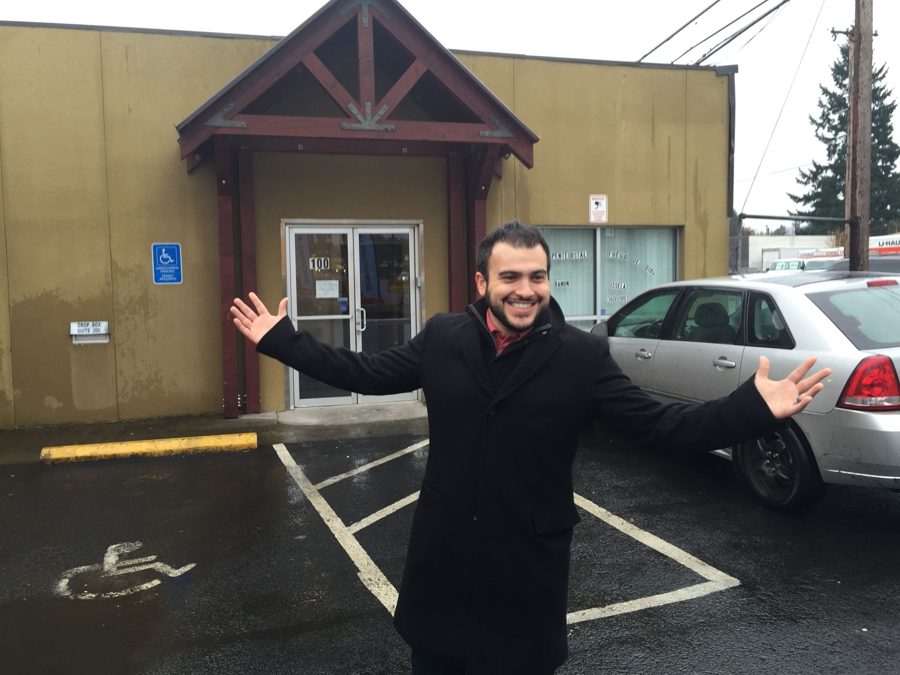
You CANNOT fix CULTURE with PROCESS.
Earlier this year, one of my sales managers slacked me a new Google Form. Every sales engineer (SE) would have to fill it out before every customer call. FOREVER.
I get why he created it.
A rep on his team showed up to a call the prior week unprepared. The SE was there too, just as unprepared. He spent the call asking the customer questions we should have known the answers to before we ever dialed in.
They wasted the customer's time.
So he did what most managers would do: "I'm going to create a process so this never happens again - so now before an SE or an AM gets on a call to show the product, they have to fill out this form."
Then he spent his Saturday - his Saturday - building a 14-question intake form. Required for every SE. Before every customer call. FOREVER.
That is not the answer. You don’t fix unprepared reps with a form.
You build a culture where nobody shows up unprepared in the first place.
Every process you add is a TAX.
And you CHARGE that tax to every person on your team who never had the problem - every day, forever - to fix the one person who shouldn't have been there in the first place.
Stack enough of those and you end up with processes on top of processes and everything slows down.
Some processes are worth the tax. Most aren't. This one wasn’t, so I told him to kill the form and do this instead:
Before you build a process, say the standard OUT LOUD.
Get the team on a call, tell them what happened and tell them what the standard is.
In our case: “Competing with ZoomInfo should be a DAUNTING experience for ANY of our competitors. This is NEVER acceptable. Showing up unprepared to a customer call doesn't live up to that. Full stop.”
Point back to that standard every time someone misses it. Let the people who can't meet it self-select out.
Manager: "But Henry, what if it happens again?"
Then it happens again. And you have the conversation again. Louder this time.
Process fixes broken systems - it doesn’t fix broken standards. Start with the standards.
How did I get my 10-year-old daughter excited about AI?
I told her it might help her get a dog.
A few weeks ago, my daughter Grace came home from school and was like “Dad, I wanna build an app to help me choose a dog.”
I told her I couldn’t promise a dog just yet, but I could help her build the app.
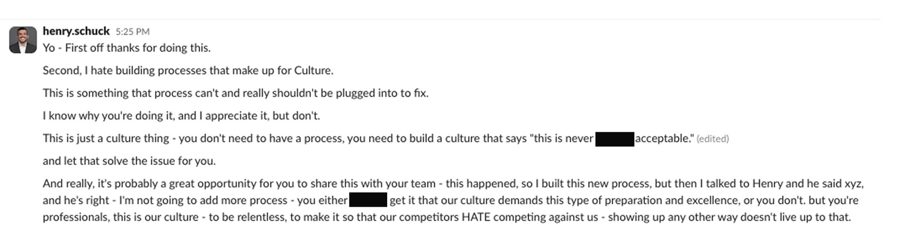
Soooo on a Sunday afternoon, my wife Jessica and I took Grace to the ZoomInfo office for a working session.
We spent two hours at the whiteboard working out what the app needed to do:
- Where are all the rescues and breeders around Boston?
- How do you describe the dog you want? (Do we build a small language model for the answer? Do we just leverage a cheap llm to go across our small database l?)
- how do we categorize the dogs - friendly, loud, hypoallergenic?
- how do we crawl all the listings of dogs at shelters and breeders in the Boston metro?
Then Grace turned the whiteboard into her very first PRD and we dropped it into Codex. It didn’t work perfectly the first time, so we tuned it over a few hours until it did.
Now it’s connected to every rescue and breeder in the Boston area. Just type what you’re looking for in plain English - friendly, hypoallergenic, not too loud - and it finds the right dog for you.
Grace is also raising a pre-seed round.
The only term she’s asking for is a dog.
TRY IT - IT REALLY WORKS: https://lnkd.in/gz-m_Qgf
🎉 🎉 Excited to share that OpenAI has chosen ZoomInfo as a launch partner in ChatGPT for Sales. 🎉 🎉
Today's update let's you do so much more than just ask questions of ZoomInfo and get answers - you now have the full ZoomInfo app experience directly inside of ChatGPT. 🤯🤯
It is really really cool. Go get it!
Thank you to OpenAI for the partnership, and to Rowan Bailey and Katie Landaal who led this from our side.
Install our plug in here: https://lnkd.in/g6K-EBdp

🎉 🎉 Excited to share that OpenAI has chosen ZoomInfo as a launch partner in ChatGPT for Sales. 🎉 🎉
Today's update let's you do so much more than just ask questions of ZoomInfo and get answers - you now have the full ZoomInfo app experience directly inside of ChatGPT. 🤯🤯
It is really really cool. Go get it!
Thank you to OpenAI for the partnership, and to Rowan Bailey and Katie Landaal who led this from our side.
Install our plug in here: https://lnkd.in/g6K-EBdp
Buy Cheap, Buy Twice.
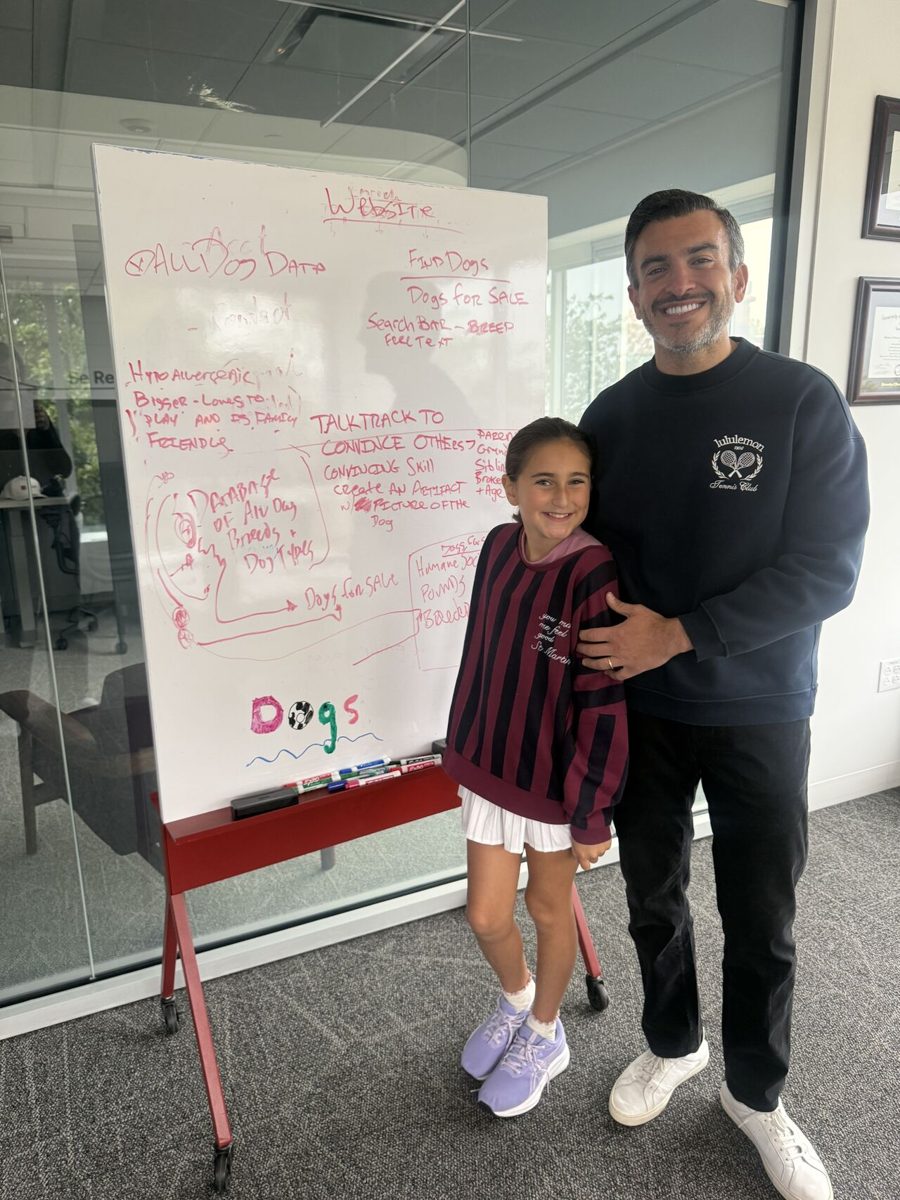
In the first three quarters of this year, there have been more past ZoomInfo customers than EVER who have, not only come back to us, but have also been publicly interviewed about their decision to leave and come back.
At the end of the day, it is HARD to build really accurate contact, company, and signal data - and we have the biggest investment into doing that, by far.
Don't be fooled by sales tactics, but if you are, your team would be lucky if you're as self aware and ego-less as this interviewee was and come on back.
Also, I'll love you for it.